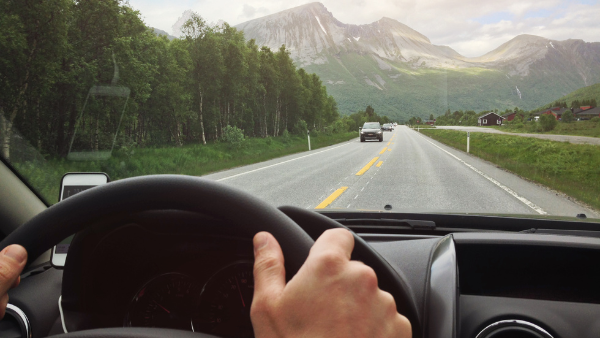
Picture yourself cruising past Mount Fuji or exploring hidden rural gems in Japan. Did you know that 87% of international tourists who rent cars in Japan report a more authentic travel experience? Having navigated Japan’s roads myself, I’ll share everything you need to know about renting and driving in this fascinating country.
Essential Requirements for Renting a Car
Age and Basic Eligibility
Drivers must be at least 18 years old to rent a car in Japan, aligning with the country’s legal driving age. This minimum age requirement applies across all rental agencies throughout the country.
License Requirements
Foreign visitors need specific documentation to drive legally. Most tourists require an International Driving Permit (IDP) issued under the 1949 Geneva Convention. Obtain this from your national automobile association before departure.
Special License Provisions
Drivers from Switzerland, Germany, France, Belgium, Taiwan, and Monaco have unique privileges. These nationalities can use their domestic licenses accompanied by an official Japanese translation instead of an IDP.
Navigating the Rental Process
Booking and Reservations
Online booking platforms offer services in multiple languages, streamlining the rental process. Advance reservations become particularly crucial during peak tourist seasons to secure your preferred vehicle.
Vehicle Selection
The rental fleet spans from compact cars to spacious vans. Your choice should account for passenger count and luggage requirements. Compact cars start around 5,000 yen per day.
Additional Features
GPS navigation systems come standard in many vehicles, with English language options available. Consider requesting an ETC card for convenient automated toll payments on expressways.
Understanding Japanese Road Rules
Basic Traffic Guidelines
Japan maintains left-side driving, with steering wheels positioned on the right. Speed restrictions generally cap at 60 km/h on regular roads and 100 km/h on expressways.
Parking Considerations
Urban areas present limited parking availability. Always utilize designated parking spaces to avoid penalties. Rates vary by location and duration.
Fuel Management
Both full-service and self-service stations operate throughout Japan. Regular gasoline typically displays red labeling for easy identification.
Safety and Insurance Coverage
Standard Protection
Basic insurance typically covers damage, injury, and liability. However, this may exclude non-operation charges resulting from vehicle damage.
Enhanced Coverage Options
Additional insurance packages provide comprehensive protection for complete peace of mind.
Emergency Support
Rental companies maintain roadside assistance services. Keep emergency contact information readily accessible throughout your journey.
Vehicle Return Procedures
Fuel Requirements
Return your vehicle with a full tank. Some locations offer convenient re-fueling services at their facilities.
Drop-off Flexibility
Most companies accommodate returns at different locations, though distance-based fees may apply for long-range drop-offs.
Your Road Trip Success Guide
Ready to hit the Japanese roads? Remember that preparation is key to an enjoyable driving experience. Book your rental car well in advance, ensure your documentation is in order, and familiarize yourself with local driving customs. With these insights and tips, you’re now equipped to explore Japan’s hidden treasures on your own terms.